

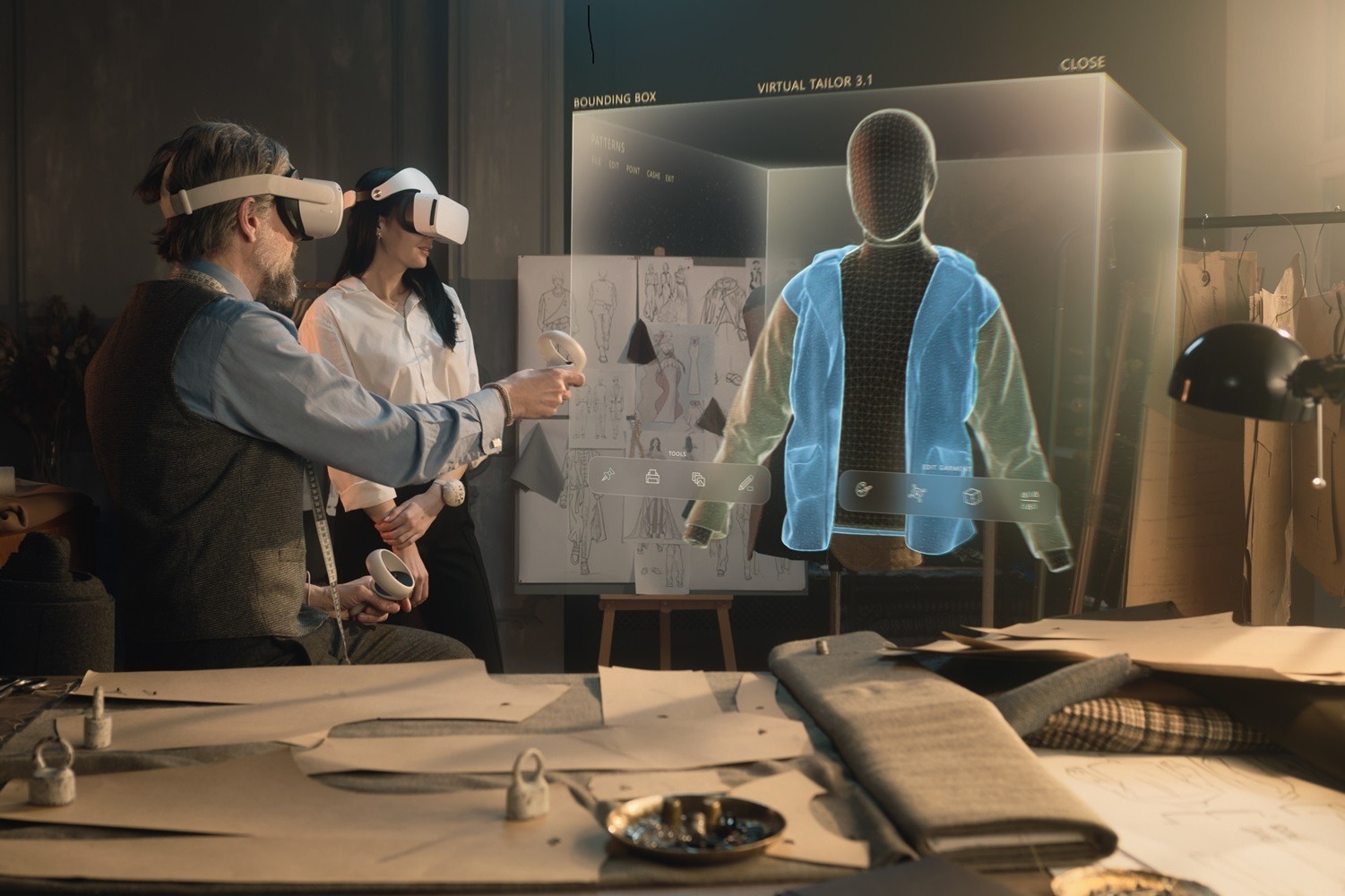
Augmented Reality (AR) and Virtual Reality (VR) are redefining how businesses engage with customers. AR overlays digital content onto the real world, enhancing the user’s environment with interactive elements. VR, on the other hand, immerses users in a completely virtual environment. Both technologies offer unique opportunities for creating engaging and memorable customer experiences.
Enhancing Retail Experiences with AR and VR Solutions
The retail sector has embraced AR and VR solutions to create immersive shopping experiences. Customers can visualize products in their own spaces through AR, leading to more informed purchasing decisions. For example, furniture retailers often use AR applications that allow shoppers to see how a piece of furniture will look in their home before making a purchase.
VR takes this a step further by enabling virtual store tours. Customers can navigate through a fully realized 3D environment, exploring products as if they were physically present in the store. This approach not only enhances product visibility but also fosters emotional connections with brands.
Revolutionizing Exhibitions and Events
AR and VR solutions are transforming how exhibitions and events are conducted. Event organizers can create interactive displays that captivate attendees’ attention. By using AR, exhibitors can provide additional information about their products through digital overlays, enhancing the visitor experience.
VR can facilitate virtual attendance, allowing individuals who cannot be present in person to engage with the event. This technology enables remote participants to explore the exhibition spaces, interact with displays, and attend presentations, thereby broadening the reach of events and increasing engagement.
Augmenting Marketing Strategies with AR and VR
In the realm of marketing, AR & VR solutions are becoming essential tools for creating compelling campaigns. Brands can leverage these technologies to create unique experiences that resonate with consumers. For instance, AR can be used in advertisements to allow customers to interact with products in a more engaging manner, such as visualizing how a cosmetic product looks on their skin before purchase.
VR can transport customers to immersive brand experiences, such as virtual reality travel experiences or product demonstrations that showcase the benefits of a service or product in a memorable way. These strategies not only enhance brand recall but also foster customer loyalty.
The Impact of AR and VR on Digital Engagement
Research indicates that AR and VR technologies significantly enhance digital engagement. According to a study by the Harvard Business Review, interactive experiences can increase customer retention rates and boost sales. Engaging customers through immersive technologies leads to deeper emotional connections, which are crucial for building brand loyalty.
Businesses implementing AR VR solutions are often seen as innovators in their field, attracting more attention and interest from consumers. As these technologies continue to evolve, their potential impact on customer engagement will likely increase, offering new avenues for businesses to connect with their audiences.
Exploring AR and VR Solutions in Business
For organizations looking to adopt AR and VR solutions, it is important to consider the specific needs of their target audience. Customizing experiences based on customer preferences can lead to greater satisfaction and engagement. Companies should also invest in quality technology and development to ensure seamless integration of AR and VR into their existing platforms.
Looking Ahead: The Future of AR and VR in Customer Engagement
The landscape of customer engagement is rapidly changing with the advent of AR and VR technologies. As these solutions become more accessible and affordable, more businesses will likely adopt them to enhance their customer interactions. Continuous advancements in technology will pave the way for even more innovative applications, making it essential for organizations to stay informed about emerging trends.
By embracing AR VR solutions, businesses can create interactive experiences that not only engage customers but also drive sales and foster loyalty. As digital display solutions evolve, the potential for immersive technologies to transform customer experiences will only grow.
