

Rats are survivors. They adapt. They conquer spaces humans believe are secure. One of the most unsettling truths about these creatures is their uncanny ability to scale walls. The answer to the question “can rats climb walls?” is a firm yes. But there’s more to it.
Nature’s Agile Climbers
Rats are agile and built to climb. Their claws grip rough surfaces. Their tails help with balance. Vertical brickwork, timber, or drainpipes — if it offers texture or leverage, rats can likely ascend it.
Brown rats, common in the UK, can climb rough walls and leap nearly a metre high. Roof rats, even more agile, are notorious for scaling trees, fences, and walls to access lofts or attics. Their bodies compress to fit through gaps as small as 15 mm, meaning once they reach an entry point, not much stops them.
Common Wall Types and How Rats Beat Them
- Brick walls – The gaps between bricks give grip. Rats use them like a ladder.
- Wooden panels or fencing – Easy for claws to catch and climb.
- External pipes – Rats run up vertical pipes, especially if located close to walls.
- Cavity walls – Once inside, they move freely through voids between bricks and plasterboard.
Even smooth surfaces may not stop them if there’s a lip, ledge, or cable within reach. That’s what makes prevention essential.
Signs Rats Are Climbing Into Your Home
Spotting the signs early is key:
- Scratching noises behind walls or ceilings
- Droppings near loft hatches or upper floors
- Gnaw marks on insulation or wiring
- Rub marks where oily fur brushes surfaces
These clues often point to roof-level entry. That means rats have climbed to get in — or worse, they’re already living above.
How to Keep Climbing Rats Out
Climbing rats are not just a nuisance; they’re a threat to health and property. To keep them out, the approach must be layered.
Effective measures include:
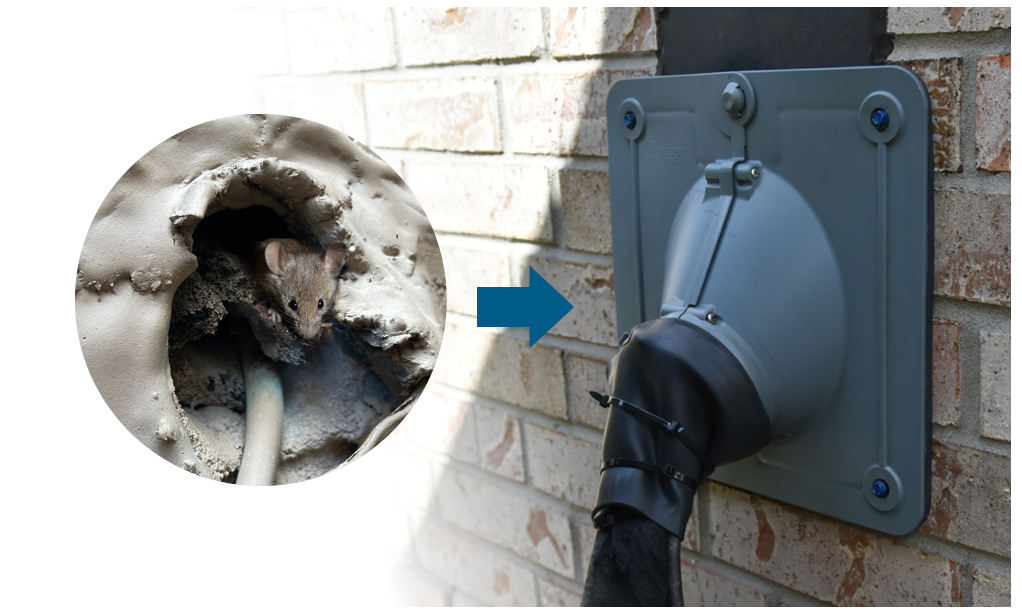
- Sealing entry points: Use steel mesh or concrete. Foam won’t stop them.
- Trimming trees: Keep branches away from roofs.
- Installing rat blockers: Fitted in drainpipes, they stop rats from entering from below.
- Maintaining brickwork: Cracks, gaps, or broken vents give rats a foothold.
Pro tip: Pay special attention to vents, roof edges, and utility line entries. These are prime targets for climbing rats.
What Makes Rats So Hard to Beat?
It’s their biology. Rats are nocturnal, cautious, and intelligent. They remember safe paths. They learn from traps. Once they gain access, they build nests, breed quickly, and spread fast.
Worse, they can fall from two stories without injury. That’s not just climbing — that’s acrobatics.
Final Thoughts
To answer the unsettling question — can rats climb walls? — yes, they can, and they do. They scale bricks, pipes, and cables with ease. No floor is safe if defences are weak.
Homeowners and businesses must take preventive action. Installing rat blockers and securing the building’s shell can make a difference. Prevention is always better than infestation.
For those already facing a rat issue, professional pest control is often the quickest way back to safety. Rats don’t rest. Neither should your defences.
