

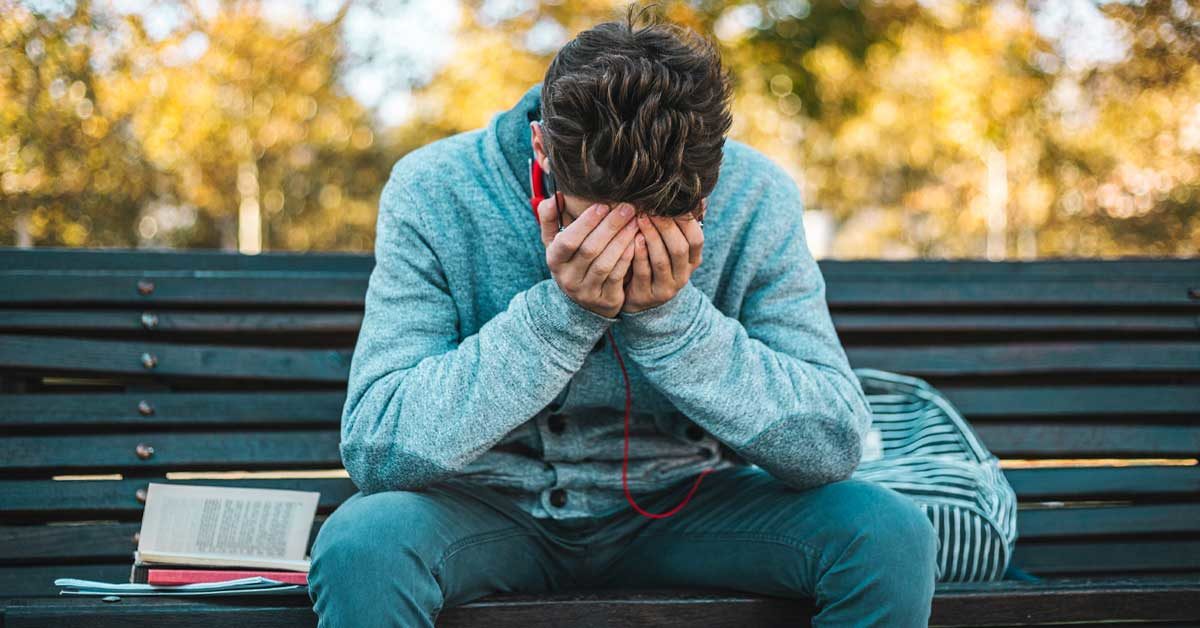
It is typical of anyone to experience fear, anger, and guilt after going through or witnessing a traumatic event. You may take some time to adjust or cope with these symptoms, but with time, you get better. However, this is usually not the case for everyone because the symptoms may worsen, last longer, and get in the way of your daily activities. The symptoms of PTSD in New York may show up within a month after a terrifying event or may sometimes take years. Treatment is essential for your general well-being and to improve function.
Symptoms for post-traumatic stress disorder
The symptoms of PTSD fall under four different categories, and they vary from person to person. They include:
Intrusion
It involves:
- Involuntary or unwanted memories. Such memories pop up out of the blue and may disrupt your entire day.
- Flashbacks. You can also have flashbacks where you replay or relieve previous events, and they are usually very vivid.
- Physical reactions. They include running or fighting when something or someone reminds you of the traumatic event.
Avoidance
You may find that you distance yourself or avoid places, people, objects, activities, and situations that remind you or trigger memories of what happened. Avoidance can negatively affect your social life since it may interfere with your relationships. For example, if the traumatic event involved your family members or close friends, creating that distance or avoiding them can ruin your relationships. Other people avoid thinking about the event and may also not talk about what happened or express their feelings towards the occurrence.
Negative moods and thoughts
- You may develop a negative view of other people and the world and feel hopeless about the future.
- Ongoing distorted beliefs about yourself, such as being a bad person, may also present themselves.
- Mistrust in everyone and falsely accuse or blame yourself or others for the traumatic event.
- You become less interested and withdraw from activities you once enjoyed, and you may feel detached from people.
- Inability to remember important details or aspects of the traumatic event.
- Difficulty forming and maintaining close relationships.
Alterations in physical and emotional reactions
If you have PTSD, you may:
- Engage in self-destructive behavior such as speeding and consuming a lot of alcohol.
- Get easily frightened or startled.
- Aggressive behavior.
- Difficulty sleeping and concentrating.
- Extreme feelings of shame or guilt.
How can I prevent PTSD?
While you may not entirely avoid traumatic events from happening, you can prevent normal stress reactions from worsening. After witnessing or going through a horrifying happening, most people experience PTSD-like symptoms such as anger and fear. Most people get better with time, but others get mental disorders, including PTSD. Fortunately, there are several approaches you can take to prevent these symptoms from worsening. The following are examples of healthy coping mechanisms that you can employ.
- Consider scheduling a session with a professional for therapy to let out your emotions.
- Turn to close friends and family for support and comfort.
- Reach out to your faith community
If you have the above post-traumatic symptoms, schedule a session with your doctor at Ketaesthetic for treatment to better your mental health.
