

The Polymer Covenant: Understanding Plastik Packaging Makanan in Malaysian Life
In the great sweep of human technological evolution, few inventions have infiltrated our daily existence with such thoroughness as plastik packaging makanan. Observe any Malaysian morning: from the humid markets of Kuala Lumpur to the coastal towns of Penang, these synthetic membranes encase our sustenance with remarkable ubiquity. Yet how many among us pause to contemplate the molecular architecture of these materials, or their covenant with both our health and the biosphere we inhabit?
Let us examine, with the careful attention a naturalist brings to any ecological relationship, the intricate world of Plastik packaging makanan that has woven itself into Malaysian society.
The Taxonomy of Food-Grade Polymers
Not unlike the classification systems we apply to living organisms, plastics too demand careful categorisation. In Malaysia, several polymer species have earned approval for intimate contact with our sustenance:
Polyethylene (PE)
The most abundant member of this synthetic family. Its long-chain hydrocarbon structure confers flexibility and moisture resistance, making it the cornerstone material for plastic bags and containers. In evolutionary terms, one might consider it the generalist species, adaptable, widespread, successful.
Polypropylene (PP)
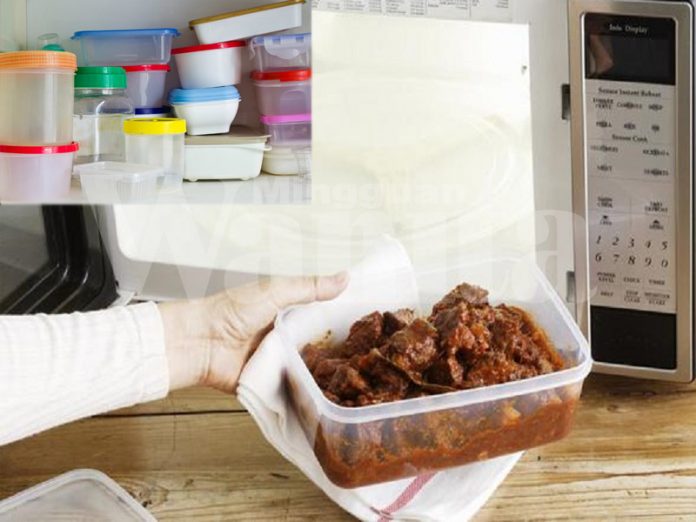
Exhibits remarkable tolerance for thermal stress, rendering it suitable for vessels destined for microwave heating. Malaysians may identify it through the numerical symbol 5.
Polyethylene Terephthalate (PET)
Forms the crystalline shells of our water bottles and beverage containers. Its molecular arrangement produces strength at minimal mass, an elegant solution to the engineering challenge of containment.
Polystyrene (PS)
Serves in the manufacture of food trays and drinking vessels. However, this polymer warrants caution; when exposed to elevated temperatures, it may release chemical compounds into foodstuffs, a phenomenon that echoes the defensive chemistry we observe in stressed plant species.
Regulatory Frameworks: The Human Attempt at Ecological Management
The Malaysian government, through the Ministry of Health and the legislative instruments of the Food Act 1983 and Food Regulations 1985, has erected a regulatory framework around plastik packaging makanan. These rules represent humanity’s attempt to impose order upon its own technological creations.
Regulation 15 of the Food Regulations 1985 establishes a clear principle: no food shall be sold in containers that harbour substances capable of rendering that food harmful to human health.
Every supplier and manufacturer of plastik packaging makanan must therefore operate within these strict parameters, a necessary constraint upon the otherwise unbridled proliferation of synthetic materials.
The Adaptive Advantages of Polymer Packaging
Despite mounting environmental concerns, concerns I shall address with due gravity, Plastik packaging makanan continues to offer certain adaptive advantages that explain its persistence in Malaysian society:
The material provides a barrier against microbial contamination, extending the viable lifespan of perishable foods. This reduction in spoilage represents genuine resource conservation. The lightweight nature of these polymers reduces transport energy requirements. Cost-effectiveness ensures accessibility across economic strata, whilst transparency allows visual inspection without compromising the sealed environment. These attributes collectively explain why plastik packaging makanan has achieved such dominant success.
Protocols for Safe Coexistence with Synthetic Materials
To navigate safely this polymer-saturated landscape, Malaysians must observe certain protocols:
Never deploy ordinary plastics for contact with hot foods. Use only those materials explicitly designated as thermally stable. Resist the temptation to repurpose single-use containers, they represent, in biological terms, annuals rather than perennials. Examine the numerical symbology adorning plastic vessels; types 1, 2, 4, and 5 demonstrate the greatest compatibility with food storage. Refrigeration becomes essential when plastic containers house food for extended periods. Microwave heating demands containers specifically engineered for such conditions.
The Evolution of an Industry
The plastik packaging makanan industry in Malaysia undergoes transformation even as we speak. Manufacturers increasingly pivot towards biodegradable polymers and compostable materials derived from renewable plant sources, maize starch, sugarcane derivatives. These bio-plastics represent an attempt to reconcile human convenience with ecological responsibility.
Contemporary manufacturing techniques now produce thinner yet stronger plastic films, reducing material consumption per unit. Many Malaysian food vendors now incentivise customers who provide their own containers, a promising behavioural shift.
Consumer Agency and Collective Responsibility
As consumers, we possess both rights and responsibilities in this polymer ecosystem. The right to safely packaged food carries with it the obligation to report anomalies, strange odours, discolouration, compromised containers, to the Ministry of Health. Our purchasing decisions shape market forces; by patronising establishments that prioritise quality plastik packaging makanan, we guide commercial evolution towards safer practices.
The Environmental Reckoning
We cannot evade the stark reality: plastik packaging makanan exerts profound environmental consequences. Malaysia generates millions of tonnes of plastic waste annually, a substantial fraction originating from food packaging. These synthetic polymers resist natural degradation processes that have evolved over billions of years. They accumulate in landfills, fragment into microplastics that infiltrate ecosystems, and threaten marine environments.
The Malaysian government has initiated various interventions, plastic bag prohibitions in certain states, promotion of alternative materials. Citizens too must engage: bringing reusable containers, selecting recyclable packaging, supporting environmentally responsible businesses, and ensuring proper waste segregation.
A Path Forward
As Malaysians navigating this synthetic age, we must exercise wisdom in our relationship with Plastik packaging makanan. Understanding polymer taxonomy, observing safe-use protocols, and maintaining constant awareness of long-term implications become essential competencies. With proper knowledge and heightened consciousness, we can continue utilising these materials judiciously whilst minimising their deleterious effects upon the biosphere, that precious, irreplaceable system of which we remain, despite our technological prowess, utterly dependent members.
