

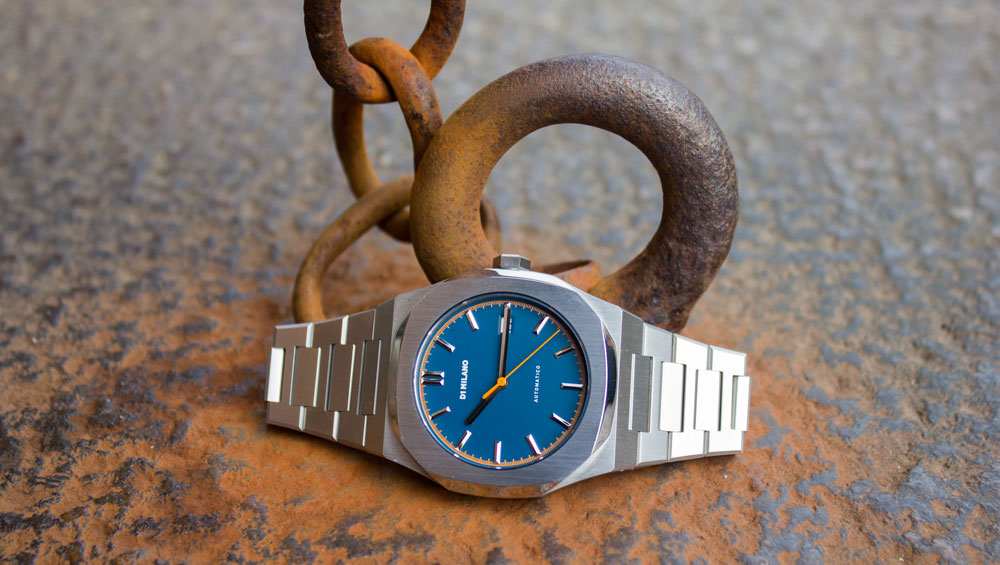
Watch cleaning might seem like the most bourgeois of concerns, yet it reveals something profound about our relationship with time, labour, and the objects that tether us to both. In a world where we discard and replace rather than maintain and cherish, the deliberate act of caring for a timepiece becomes almost revolutionary—a quiet rebellion against the disposable logic of late capitalism.
The Archaeology of Accumulated Time
Every watch tells two stories: the time it keeps and the time it has endured. Between the links of a bracelet, beneath the crystal, within the microscopic spaces of a movement, our timepieces collect the detritus of living. Skin cells, soap residue, environmental pollutants, and the invisible particles of our daily existence accumulate like sedimentary layers, each one a testament to moments passed.
This accumulation is not merely aesthetic degradation—it is functional sabotage. A dirty watch is a compromised watch, its precision undermined by the very life it measures. The oils from our skin migrate into delicate mechanisms, dust particles act as tiny abrasives against jewelled bearings, and moisture creeps into spaces where it has no business residing.
The Economics of Maintenance
Consider the mathematics of neglect: a fine timepiece, neglected, degrades exponentially. What begins as surface grime becomes structural damage, transforming a simple cleaning into costly restoration. This is the hidden tax of indifference, the compound interest of deferred care.
The cleaning process itself demands both ritual and precision:
- Daily maintenance: A soft cloth, preferably microfibre, drawn across the case and bracelet each evening
- Weekly attention: Gentle cleaning with a soft-bristled brush, removing accumulated debris from difficult angles
- Monthly dedication: A more thorough cleaning involving appropriate solutions and careful attention to water resistance ratings
- Annual pilgrimage: Professional servicing, the horological equivalent of confession and absolution
The Singaporean Standard
As one prominent horologist in Singapore observes: “Proper watch cleaning in Singapore’s humid climate isn’t luxury—it’s survival. The tropical conditions here can accelerate degradation in ways that would surprise even experienced collectors. Regular maintenance isn’t about vanity; it’s about respecting the engineering.”
This wisdom speaks to something larger than mere geographical considerations. It acknowledges that context matters, that the environment shapes the object, and that care must be calibrated to circumstance. In Singapore’s relentless humidity, neglect accelerates. Elsewhere, different enemies emerge: dust, salt air, industrial pollutants. The specific matters less than the recognition that maintenance is always contextual, always responsive to place and time.
The Philosophy of Preservation
There is something deeply political about choosing to maintain rather than replace. In a consumer economy built upon planned obsolescence and perpetual upgrading, the act of preservation becomes transgressive. When we clean our watches with dedication and precision, we reject the narrative that tells us objects are disposable, that newness trumps continuity, that replacement is easier than repair.
This is not mere sentimentality—though sentiment has its place. It is an assertion of values that prioritise longevity over convenience, craftsmanship over mass production, and the satisfaction of stewardship over the fleeting pleasure of acquisition.
The Intimacy of Care
Watch cleaning is intimate work. It requires close attention, gentle touch, and patience—qualities increasingly rare in our hurried world. To clean a watch properly is to enter into dialogue with its maker, to honour the intentions of its design, and to participate in the ongoing project of its existence.
The process demands specific tools and techniques:
- Soft brushes for reaching between bracelet links
- Appropriate cleaning solutions that respect materials and finishes
- Lint-free cloths that leave no trace of their passage
- Careful attention to water resistance ratings and crown positions
- Patience above all—rushing serves no one, least of all the timepiece
The Technology of Time
Modern watches, whether mechanical marvels or electronic instruments, represent centuries of accumulated knowledge. Each component reflects countless hours of development, testing, and refinement. To allow such sophistication to deteriorate through neglect is to dishonour not just the object but the entire tradition of horological innovation.
Even the most robust sports watch benefits from regular attention. Even the most humble timekeeper deserves care proportionate to its service. This is not about expense or prestige—it is about recognition and respect.
The Future of Maintenance
As watches become increasingly complex, incorporating smart technologies alongside traditional mechanics, the principles of care remain constant even as the methods evolve. New materials demand new approaches, but the fundamental commitment to preservation endures.
The watch on your wrist represents a collaboration between human ingenuity and temporal precision. It deserves better than benign neglect. It deserves the kind of attention that recognises value beyond mere functionality, that sees maintenance as a form of respect, and that understands care as a radical act in a careless world.
In choosing to maintain rather than replace, to clean rather than ignore, we assert that some things matter enough to last. In a throwaway culture, perhaps nothing could be more subversive than the simple, persistent practice of watch cleaning.
