

I didn’t really care about yarns until a cheap t-shirt forced me to.
It looked fine in the store. Good color, decent fit, nothing special but nothing wrong either. Two washes later, it started to twist at the seams. By the fourth wash, it had that rough, slightly fuzzy feel. You know the one. It’s when a shirt stops feeling “new” way too early.
That’s usually the moment people blame the brand.
But often, the real story starts much deeper in the yarn itself. And a lot of the time, that yarn (or the lack of the right one) comes down to something called polyester filament.
Let’s Not Overcomplicate It
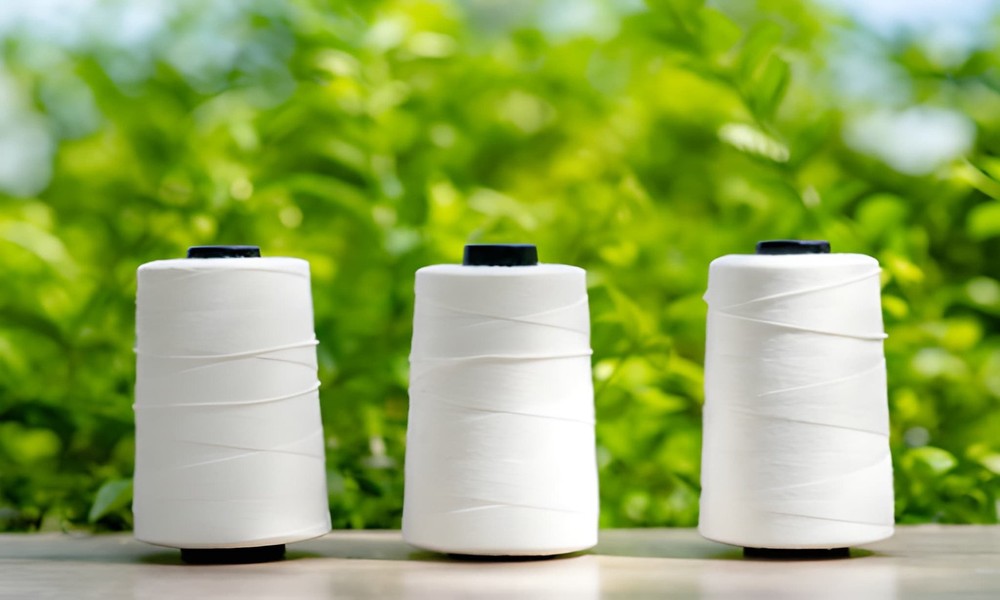
Forget textbook definitions. Polyester filament is basically a long, smooth thread made from polyester. Not short bits twisted together like cotton yarn, but one continuous strand. That’s the key difference.
Imagine two ropes. One made by tying together lots of small pieces. The other made from one long, unbroken line. Which one do you think stays stronger and smoother over time?
That’s polyester filament in a nutshell.
Companies like GL Yarn focus on producing these continuous fibers with a level of consistency that’s hard to achieve with traditional spun yarns. And that consistency shows up in the final product even if you don’t notice it right away.
Why You Actually Feel the Difference
Here’s the thing: most people don’t care what their clothes are made of until something goes wrong.
When fabric stretches out weirdly, pills too fast, or loses shape, that’s when questions start.
Polyester filament quietly prevents a lot of those problems.
It helps fabric stay:
- Smooth instead of fuzzy
- Strong instead of fragile
- Stable instead of shapeless
That’s why some clothes just “hold up” better. They don’t twist, they don’t lose structure, and they don’t age as quickly.
It’s not magic. It’s just better yarn.
Not All Polyester Filament Feels the Same
Now here’s where it gets interesting. People often assume polyester means one specific feel usually something synthetic or slightly plastic-like. But that’s outdated thinking.
Polyester filament comes in different forms, and each one behaves differently.
There’s one type that’s very smooth and slightly shiny. That’s often used where a clean, crisp look matters.
Then there’s another version that’s been textured to feel softer, almost closer to cotton. That’s the kind you’ll find in everyday wear because it’s more comfortable on the skin.
And then there are variations made for strength used in things like bags, seat covers, or industrial materials where durability matters more than softness.
Same base material. Completely different outcomes.
Where You’re Already Using It (Without Realizing)
Take a look around your day.
- Your gym t-shirt that dries quickly?
- Your backpack that doesn’t tear easily?
- Your curtains that don’t wrinkle every time you touch them?
There’s a high chance polyester filament is involved in all of them.
It shows up in:
- Sportswear
- Everyday clothing
- Home fabrics
- Travel gear
- Even inside cars
It’s not a “premium” or “budget” thing it’s a practical choice. Brands use it because it works.
The Good, The Honest, and The Slight Trade-Off
Let’s keep it real nothing is perfect.
Polyester filament has some clear advantages:
- It’s strong
- It lasts longer than many alternatives
- It doesn’t wrinkle much
- It dries fast
But there’s a flip side too.
On its own, it can sometimes feel less breathable than natural fibers. That’s why many manufacturers don’t rely on it alone they tweak it, texture it, or blend it to get a better balance.
So when someone says “polyester feels bad,” what they usually experienced was a poor version of it not the material at its best.
The Quiet Role of Manufacturers
Here’s something most people never think about: not all polyester filament is equal.
Two fabrics might both say “polyester,” but one feels soft and durable while the other feels cheap and wears out quickly. The difference often comes down to how the filament was made.
Things like:
- Thickness of the thread
- Number of filaments combined
- Surface finish
- Production precision
All of these small details affect the final fabric.
That’s why experienced suppliers like the team behind GL Yarn matter more than people realize. They’re not just producing yarn; they’re controlling how that yarn behaves in real life.
And that has a direct impact on the product you end up buying.
A Shift That’s Already Happening
There’s also been a quiet change in how polyester filament is produced.
More manufacturers are now using recycled materials. Old plastic bottles, for example, are processed and turned into usable filament yarn. It’s not just a marketing trend it’s becoming a practical solution to reduce waste while keeping performance intact.
At the same time, new versions of polyester filament are being developed with added features. Some resist odor. Some handle sunlight better. Some improve moisture movement.
Again, nothing flashy. Just steady improvement.
Why This Actually Matters
You don’t need to become a textile expert. But understanding polyester filament changes how you look at everyday products.
Instead of judging something only by brand or price, you start to notice how it behaves over time. Does it hold shape? Does it stay smooth? Does it feel the same after multiple washes?
Those answers usually trace back to the yarn.
And polyester filament, when done right, solves a lot of problems before they even show up.
Final Thought
Most of what makes a product good isn’t visible at first glance. Polyester filament is one of those hidden factors. It doesn’t get attention, it’s not printed on labels in bold, but it plays a big role in how things perform day after day.
You might not notice it when everything is working fine. But the moment it’s missing or poorly made you definitely feel the difference.
