

As temperatures soar during summers in India, maintaining a cool and comfortable home becomes essential. While air conditioning offers immediate relief, it’s neither energy-efficient nor sustainable in the long run. Implementing natural and passive cooling strategies can significantly reduce indoor heat, enhance comfort, and lower energy bills. Here’s how you can keep your interior walls—and your entire home—cool, especially during the sweltering summer months.
Use Light Colours
One of the simplest yet most effective ways to reduce heat absorption is by choosing the right interior colour for your home. Light shades such as white, beige, pastel blue, and soft yellow reflect sunlight rather than absorb it, helping to keep indoor spaces cooler.
These hues lower the temperature and create a sense of openness and brightness, making rooms feel more spacious and airier. Going for a light interior colour for your home can thus be both a practical and aesthetic choice.
Get Insulation Done
Proper insulation acts as a barrier against external heat, maintaining a consistent indoor temperature. Insulating your walls, ceilings, and floors can prevent heat from seeping into your living spaces. Also, sealing gaps around windows and doors with weatherstripping or caulking can further enhance insulation, ensuring that cool air stays in and hot air stays out.
Shading is a Must
Implementing shading solutions can drastically reduce the amount of heat entering your home. Installing awnings, blinds, or curtains on windows can block direct sunlight. Planting trees or installing trellises with climbing plants near windows can provide natural shade, cooling the surrounding air, and reducing indoor temperatures.
Ensure Ventilation
Effective ventilation is crucial for maintaining a cool indoor environment. Opening windows during the cooler parts of the day, such as early morning and late evening, allows fresh air to circulate and hot air to escape. Creating cross-ventilation by opening windows on opposite sides of a room can enhance airflow, providing a natural cooling effect.
Include Plants and Greenery
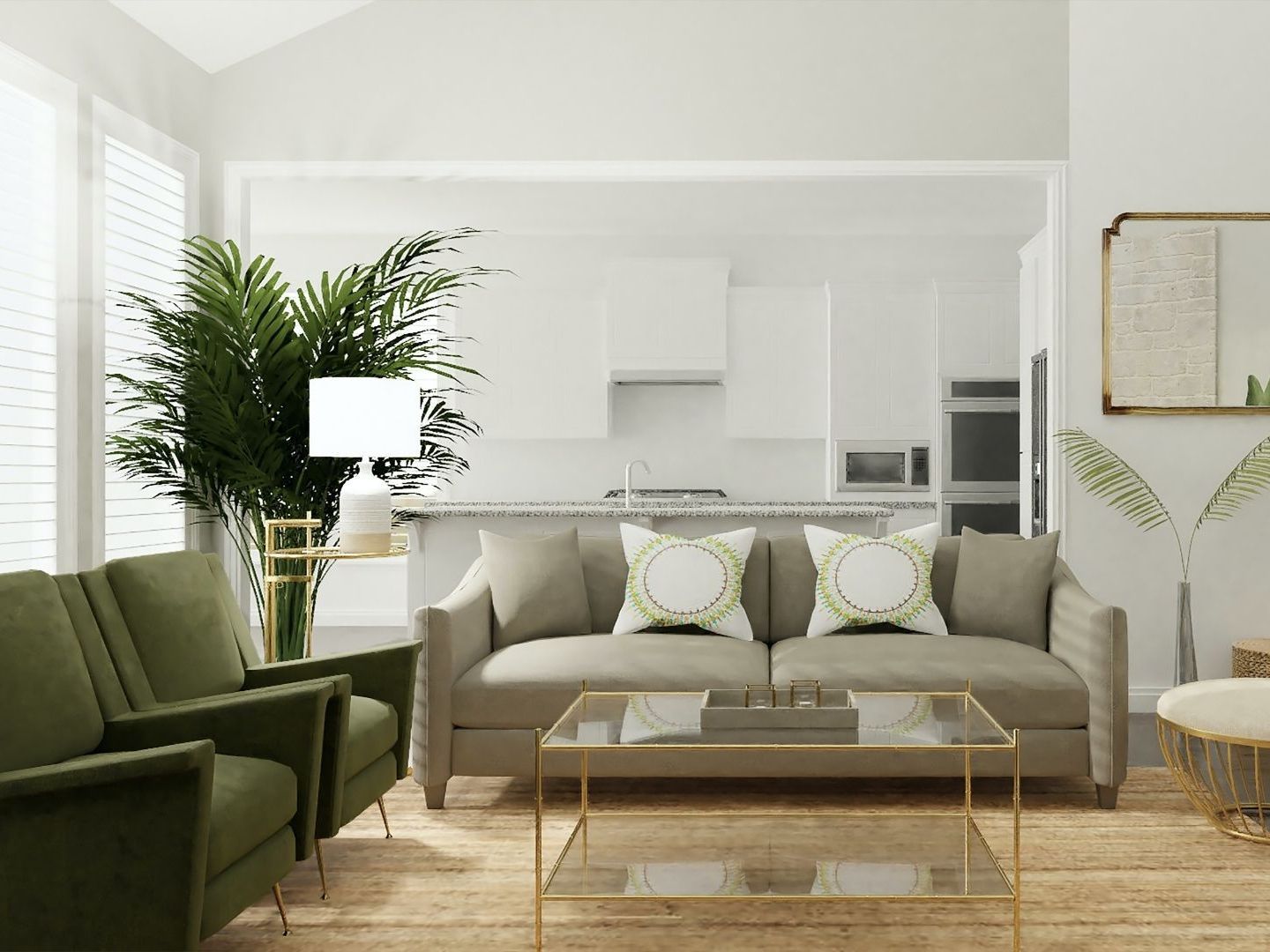
Incorporating plants into your home decor not only enhances aesthetics but also contributes to cooling. Through the process of transpiration, plants release moisture into the air, which can help lower indoor temperatures. Placing indoor plants like snake plants, rubber plants, or areca palms near windows can provide shade and cool the air. Also, outdoor greenery, such as trees and shrubs, can shield your home from direct sunlight.
Use Heat-Reflective Paints
Applying heat-reflective paints to your home’s exterior walls and roof can significantly reduce heat absorption. These paints are designed to reflect more sunlight and absorb less heat, keeping the building’s interior cooler. This can be an effective strategy to combat indoor heat in regions where the intense summer heat rises.
Avoid Heat-Generating Appliances
Reducing the use of heat-generating appliances is a crucial yet often overlooked strategy for maintaining cooler interior walls during the summer months. Many common household devices emit heat during operation, inadvertently raising indoor temperatures and increasing reliance on cooling systems.
Kitchen appliances, such as ovens and stovetops, are significant contributors to indoor heat. Going for alternative cooking methods—like using microwaves, slow cookers, or preparing no-cook meals—can substantially reduce heat output. Laundry appliances, particularly dryers, also generate considerable heat. Whenever possible, air-drying clothes on a line or drying rack is a more heat-efficient option. This practice not only keeps indoor temperatures lower but also conserves energy.
Electronic devices like televisions, computers, and gaming consoles emit heat even when in standby mode. Turning off and unplugging these devices when not in use can prevent unnecessary heat buildup. Lighting choices also impact indoor heat levels. Traditional incandescent bulbs release a significant amount of heat compared to energy-efficient alternatives like LED or CFL bulbs. Switching to these cooler lighting options can reduce heat emission and contribute to a more comfortable indoor environment.
Conclusion
By integrating these strategies, you can create a cooler, more comfortable living environment without relying heavily on air conditioning. Choosing the right interior colour for your home, enhancing insulation, implementing shading solutions, ensuring proper ventilation, incorporating greenery, and using heat-reflective paints are all effective ways to keep your interior walls cool. Embracing these natural cooling methods not only benefits your comfort but also contributes to energy efficiency and environmental sustainability.
