

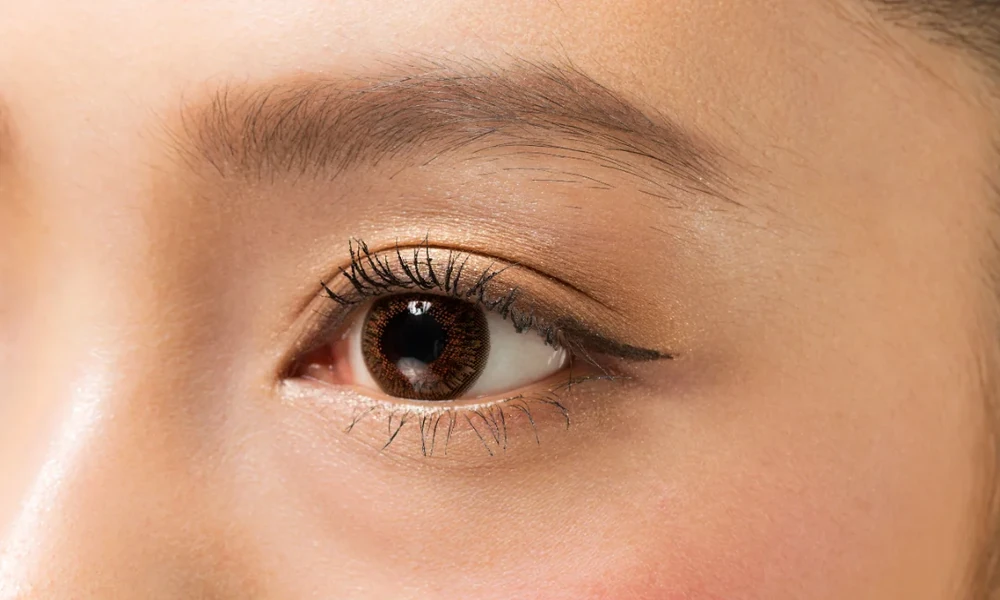
Double eyelid surgery, or blepharoplasty (In Thai known as ‘แก้ตาสองชั้น‘), remains one of the most popular cosmetic procedures today. However, as the trend grows, so does the number of botched results caused by inexperienced practitioners. A poorly executed procedure can lead to both aesthetic dissatisfaction and functional eye problems. The good news is that these mistakes are not always permanent. By identifying the warning signs early and seeking treatment from an expert, patients can successfully correct past surgical errors and restore their confidence.
7 Dangerous Signs After Double Eyelid Surgery
While some swelling and bruising are normal during the initial recovery phase, certain complications indicate a botched procedure that requires professional intervention. Here are seven major red flags to watch out for, along with the surgical reasons behind them:
Sausage Eyes (Sausage Deformity)
The eyelids appear persistently thick, puffy, and unnatural long after the standard healing period. This typically occurs when the surgeon anchors the eyelid crease too high or removes too much tissue, which severely disrupts normal lymphatic drainage and causes chronic fluid retention above the incision line.
Deep Scarring
Noticeable, indented, or uneven incision lines that remain highly visible even when the eyes are open. Deep scarring is often the result of excessive skin removal, poor suturing techniques, or applying too much tension to the surgical wound during the closure process.
Loose or Faded Creases
The newly created eyelid fold begins to loosen, become shallow, or disappear entirely, sometimes reverting to a monolid or creating multiple messy folds. This happens due to weak internal fixation between the eyelid skin and the underlying levator muscle or tarsal plate.
Severe Asymmetry
While perfect facial symmetry is rare, noticeably different crease heights, depths, or shapes between the left and right eyes indicate a surgical error. This can stem from inaccurate preoperative measurements, uneven fat removal, or unpredictable scar tissue contraction on one side.
Incomplete Closure (Lagophthalmos)
An inability to close the eyes completely when resting or sleeping. This is a severe functional complication caused by the aggressive over-removal of eyelid skin or the underlying orbicularis oculi muscle. If left untreated, it leads to chronic dry eyes, corneal abrasions, and potential vision damage.
Post-Surgical Ptosis (Drooping Eyelids)
The eyes look permanently tired, sleepy, or heavy. This occurs when the delicate levator muscle (the muscle responsible for lifting the eyelid) is accidentally damaged or weakened during the initial surgery, making it physically difficult to open the eyes fully.
Sunken or Hollow Eyes
A hollowed-out appearance above the eyelid crease that makes the patient look significantly older and chronically fatigued. This is the direct result of the aggressive over-resection of orbital fat, which leaves the upper eyelid lacking essential volume and structural support.
Botched Surgery: How Long Do You Have to Wait for a Revision?
When patients realize their eyelid surgery has gone wrong, their first instinct is usually to fix it immediately. However, rushing into a second surgery can do more harm than good.
Medically, it is highly recommended to wait at least 3 to 6 months before undergoing a revision. During this waiting period, the internal tissues settle, scars soften, and all residual swelling completely subsides. Operating on fully healed tissue ensures that the surgeon can accurately assess the true anatomical structure of your eyelids, leading to a much more precise and successful outcome.
If you notice any early abnormalities, you do not have to wait in silence. It is best to consult a specialized surgeon as soon as possible to prepare and carefully plan your double eyelid surgery procedure, ensuring maximum safety and the best possible aesthetic result.
3 Tips for Post-Revision Eyelid Care for Fast, Scar-Free Healing
Post-operative care is crucial for any surgery, but it is especially critical after a revision. The tissues in the eyelid are much more fragile and sensitive after having been operated on previously. To ensure fast healing and minimize scarring, follow these three essential tips:
– Proper Compresses: Use cold compresses strictly for the first 48 to 72 hours to reduce swelling and bleeding, followed by warm compresses to promote blood circulation and heal bruises.
– Dietary Restrictions: Strictly avoid foods that can trigger inflammation or allergic reactions, such as fermented foods, raw seafood, excessively spicy meals, and high-sodium diets that prolong swelling.
– Meticulous Wound Cleaning: Keep the incision area dry and clean it exactly as instructed by your surgeon using sterile saline. Never pick at scabs or rub your eyes.
Ultimately, achieving a flawless result from a revision surgery requires two things: the unparalleled expertise of the surgeon and strict adherence to aftercare guidelines. Clinics with high standards of personalized care and continuous follow-up, like Dr. Vii Clinic, ensure that patients are guided safely through every step of their recovery journey, delivering beautiful, long-lasting results without the need for further corrections.
