

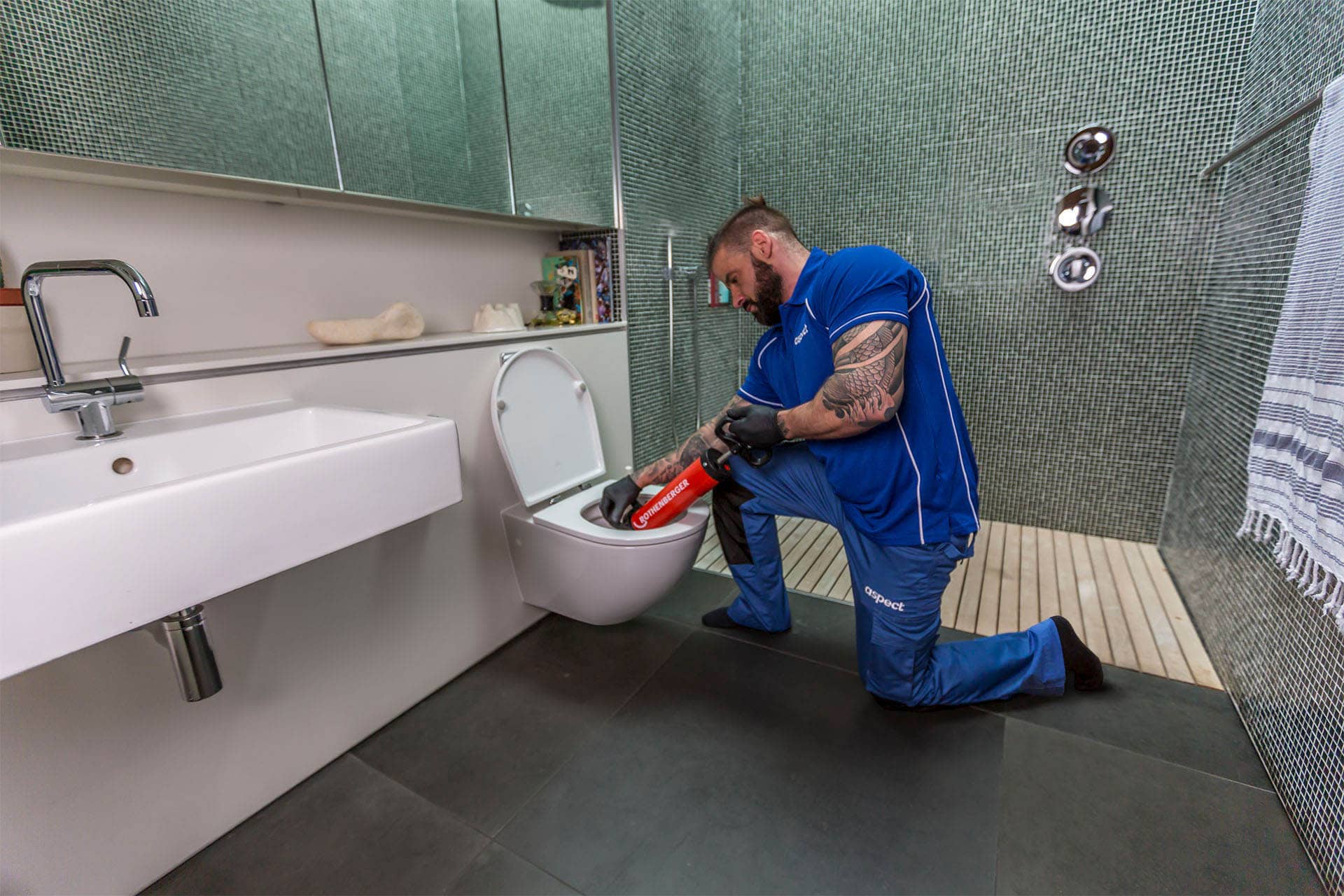
A blocked toilet is more than a nuisance. It can disrupt a household, cause unsanitary conditions, and lead to expensive repairs if not resolved quickly. Knowing how to unblock a badly blocked toilet that UK residents often face can save both time and money.
Signs of a Major Blockage
Not all blockages are the same. A sluggish flush, rising water levels, or gurgling sounds from the drain are signs that trouble is brewing. When the water refuses to drain at all or overflows, you’re dealing with a serious blockage.
Tools That Get the Job Done
Before calling in a professional, try these proven tools:
- Plunger: Choose a flange plunger. It creates a tight seal and delivers powerful suction.
- Toilet auger: This flexible tool reaches deep into the bend to dislodge stubborn clogs.
- Rubber gloves and old towels: Essential for cleanliness and handling splashes.
Step-by-Step: Clearing the Blockage
- Assess the water level. If it’s too high, remove some to avoid spills.
- Plunge with purpose. Position the plunger snugly and push firmly in short bursts. Ten to fifteen thrusts should do.
- Try hot water and washing-up liquid. Let the mixture sit for 15 minutes to soften grease and waste.
- Deploy the toilet auger. Gently crank it into the drain. Once resistance is felt, rotate to break up or hook the blockage.
- Flush carefully. If the water drains normally, the job is done.
If these steps don’t work, the blockage could lie beyond the toilet, possibly in the soil pipe. That’s when professional help is wise.
Common Causes of Blockages
Toilets are designed to handle only human waste and toilet paper. Yet households often flush:
- Wet wipes (even the ‘flushable’ ones)
- Cotton buds
- Sanitary products
- Excessive paper
- Grease and fat
These items congeal and clog, often forming something called a fatberg.
What is Fatberg?
A fatberg is a solid mass formed from congealed fats, oils, and non-biodegradable items flushed down toilets. In the UK, fatbergs have grown as large as buses, blocking entire sewer systems. These are not just public problems; smaller versions can form in home pipes, causing serious blockages.
Prevention is Better Than Cure
Avoid flushing anything except the three P’s: pee, poo, and (toilet) paper. Place a bin beside the toilet for everything else. For fat and oil, let them cool and dispose of them in the bin—not down the drain.
When to Call a Professional
If your DIY efforts fail or the blockage recurs, it’s time to contact a plumber. Persistent problems may indicate damaged pipes or issues with the external drainage system. Many professional drain services in the UK use high-pressure jetting and CCTV inspections to resolve and diagnose these issues quickly.
A blocked toilet doesn’t have to turn into a household crisis. With the right tools, proper knowledge, and a dose of prevention, even severe clogs can be tackled. And for those wondering how to unblock a badly blocked toilet UK homes commonly face, the key lies in swift action, the right technique, and knowing when to call in the experts.
