

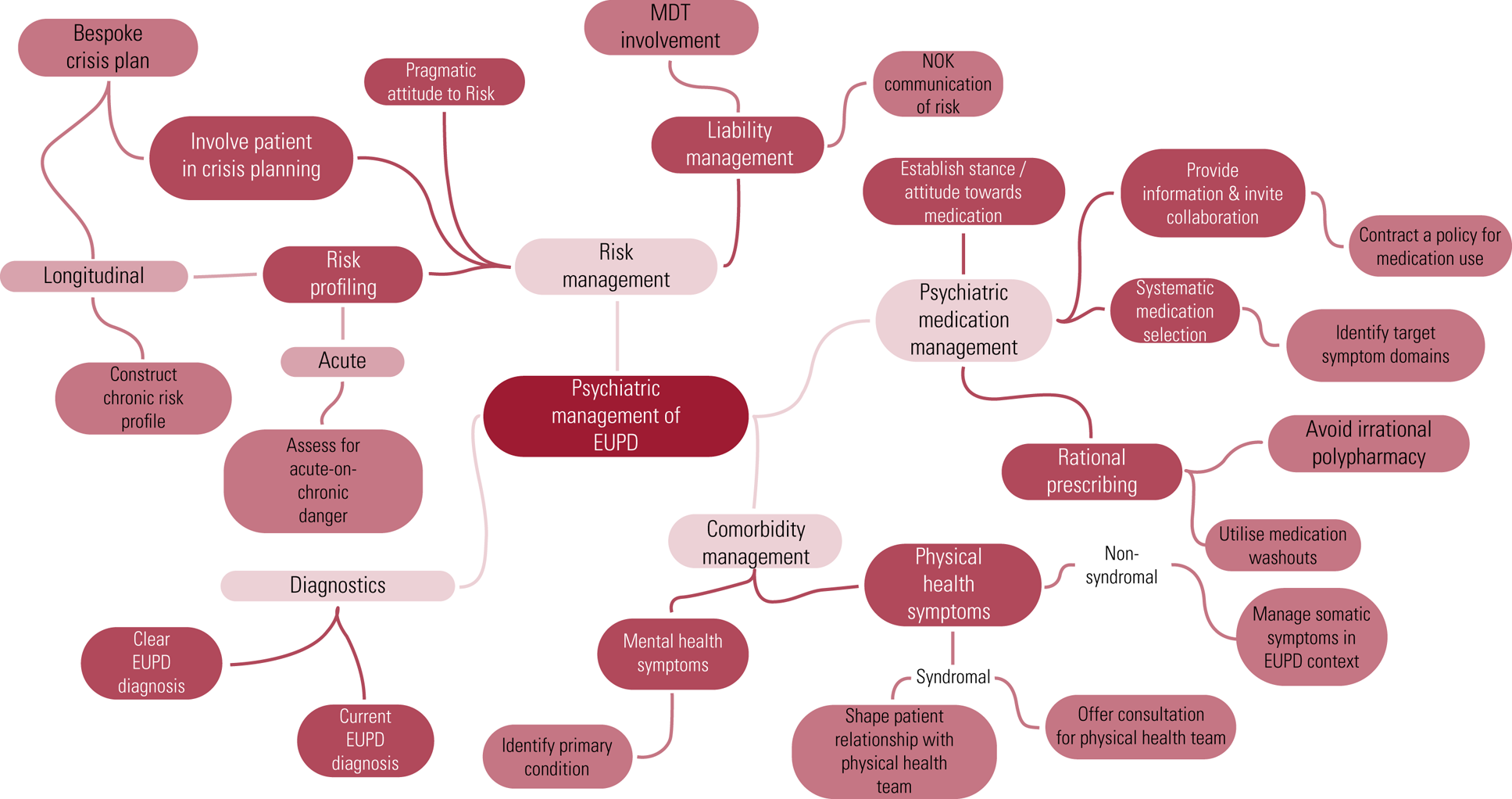
Managing personality disorders can seem overwhelming, but psychiatrists know how to help. Personality disorders often show through patterns of behavior and thinking that aren’t typical. These patterns can affect life in many ways, from relationships to work. It’s crucial to understand how psychiatrists address these challenges. They don’t just focus on symptoms; they consider the whole person. Unlike alma phobias, which relate to specific fears, personality disorders usually involve broader, deeper issues. Psychiatrists use a mix of approaches to guide people toward healthier lives.
Understanding Personality Disorders
Personality disorders are not rare, affecting about one in ten people. These disorders fall into three main categories:
- Cluster A: Odd or eccentric behavior, such as paranoia.
- Cluster B: Dramatic or erratic behavior, including borderline personality disorder.
- Cluster C: Anxious or fearful behavior, like avoidant personality disorder.
Each type affects individuals differently. Understanding the specific traits can help in managing these disorders effectively.
Comprehensive Evaluation
Before treatment, psychiatrists conduct a thorough evaluation. They gather detailed histories and consider all possible influences. Evaluations often include:
- Interviews with the patient
- Discussions with family members
- Psychological testing
These steps ensure a complete picture of the person’s mental health and a tailored treatment plan.
Key Treatment Approaches
Once the evaluation is complete, psychiatrists use a range of treatments to manage personality disorders:
| Approach | Description |
|---|---|
| Psychotherapy | Includes cognitive-behavioral therapy (CBT) and dialectical behavior therapy (DBT) to change harmful thought patterns. |
| Medication | Used to manage symptoms like anxiety or depression, though not all personality disorders require medication. |
| Skills Training | Focuses on improving social skills and relationship dynamics. |

Psychotherapy: A Closer Look
Psychotherapy is often the cornerstone of treatment. It helps people understand their thoughts and behaviors. For example, CBT focuses on changing negative thinking patterns, while DBT teaches emotional regulation. These therapies are highly structured and target specific issues related to personality disorders.
Medication Options
While medication doesn’t cure personality disorders, it can help manage symptoms. Antidepressants, mood stabilizers, and antipsychotics are common. Each medication plan is personalized, based on the disorder and the patient’s needs. Psychiatrists need to monitor the effects closely to ensure the best outcomes.
Skills Training and Support
Skills training is crucial for those with personality disorders. It helps improve social interactions and manage emotions better. Group therapy often complements individual sessions, providing a supportive environment for skill practice.
Continuous Care
Treatment doesn’t end after initial progress. Personality disorders often require ongoing support. Regular check-ins help maintain improvements and adjust treatment plans as needed. This continued care is vital for long-term well-being.
Conclusion
Managing personality disorders is complex but achievable with the right strategies. Psychiatrists bring expertise and compassion to guide people through their challenges. By focusing on comprehensive evaluation and a mix of therapies, they help individuals lead healthier and more fulfilling lives.
